- Get link
- X
- Other Apps
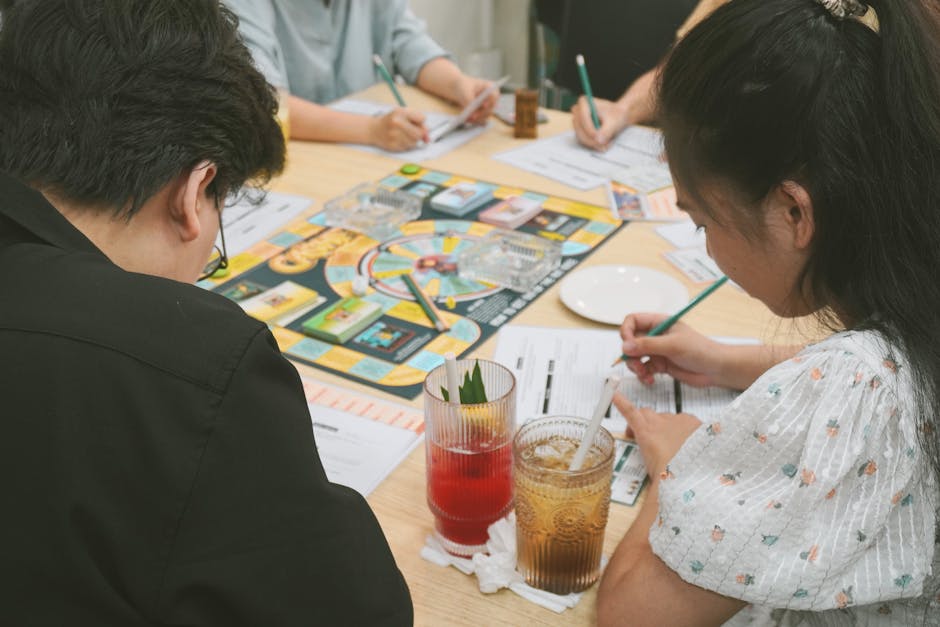
From the picturesque region of Tanba, Japan, a new board game is set to sprout, promising not just engaging gameplay but a profound message. Developed by the visionary Kawaguchi Mori, this innovative creation, aptly titled the "Forest Board Game," invites players into the intricate world of forest management. Far from a simple roll-and-move, this game challenges participants to navigate the complex decisions of afforestation, logging, and sales, all with the overarching goal of fostering a deep understanding of conservation.
The Green Heart of Gameplay: Innovating Resource Management
As a game analyst, the "Forest Board Game" immediately stands out for its unique blend of traditional resource management mechanics with a vital ecological theme. Most games in this genre focus purely on maximizing profit or efficiency. However, Kawaguchi Mori's design introduces a critical layer of environmental responsibility. Players aren't just collecting wood; they are stewards of an ecosystem.
The core loop of the game—making choices between afforestation (planting new trees), logging (harvesting existing trees), and sales (selling timber to the market)—presents a compelling strategic dilemma. Do you prioritize short-term gains by aggressive logging, or invest in the future with extensive afforestation? The challenge lies in balancing immediate economic needs with the long-term health and sustainability of your forest. This cyclical decision-making process, where every choice has ripple effects, is a testament to the game's innovative approach to making conservation tangible and strategic.
Cultivating Minds: Target Demographics and Educational Impact
The explicit objective of the "Forest Board Game" is for players to "understand the importance of conservation." This immediately positions it as more than just entertainment; it's a powerful educational tool. The target demographic appears broad, appealing to:
- Families: Offering an engaging way for parents and children to learn about environmental responsibility together.
- Educators: Providing a hands-on, interactive method to teach ecological principles and sustainable resource management in schools and community centers.
- Strategy Gamers: Those who appreciate deep strategic choices and unique themes will find the intricate balance of economics and ecology a fresh challenge.
- Environmental Enthusiasts: Individuals already passionate about conservation will appreciate a game that reinforces their values through play.
By simulating real-world pressures and consequences within a safe, playable environment, the "Forest Board Game" has the potential to cultivate a generation more attuned to the critical balance required for a healthy planet.
Branching Out: Potential Industry Impact
Kawaguchi Mori's "Forest Board Game" could mark a significant moment for the board game industry. It exemplifies a growing trend where games are not just about escapism but about engagement with real-world issues. Should it gain traction, it could inspire other developers to:
- Explore 'Games for Good': Paving the way for more titles that tackle complex societal or environmental challenges in an accessible and entertaining manner.
- Innovate Mechanics: Push the boundaries of resource management games beyond simple accumulation, integrating ethical and ecological considerations as core mechanics.
- Promote Local Stories: Highlight how local initiatives, like this game from Tanba, can have a global impact on awareness and education.
The success of the "Forest Board Game" might demonstrate that there's a significant market for games that are both fun and fundamentally meaningful.
A Gamer's Deep Dive: Why This Matters to Me
As a gamer, the concept of the "Forest Board Game" resonates deeply. I'm always on the lookout for titles that offer more than just a fleeting diversion—games that make me think, strategize, and sometimes even reflect. The idea of nurturing a virtual forest, making tough calls between immediate profit and long-term sustainability, is incredibly compelling.
The tension between wanting to make profitable sales and knowing that excessive logging will deplete my resources and harm the ecosystem promises a rich strategic experience. It’s not just about winning points; it's about the satisfaction of seeing a thriving, sustainably managed forest as a result of thoughtful decisions. This kind of tangible, thematic feedback is what elevates a good game to a great one. I'm eager to experience the satisfaction of a successful afforestation project or the regret of over-harvesting, and through these experiences, gain a more intuitive understanding of conservation's true value.
Conclusion: Sowing the Seeds of Change
Kawaguchi Mori's "Forest Board Game" from Tanba is more than just an upcoming release; it's a testament to the power of games as a medium for education and change. By skillfully weaving together the mechanics of afforestation, logging, and sales, it invites players to step into the crucial role of a forest steward. This game promises not only hours of strategic enjoyment but also a deeper appreciation for the delicate balance of our natural world. We eagerly await the opportunity to play, learn, and contribute to the conversation about conservation, one tree at a time.
Comments
Post a Comment